Design Less, Mean More Impact
May 22, 2026
UX Thinking
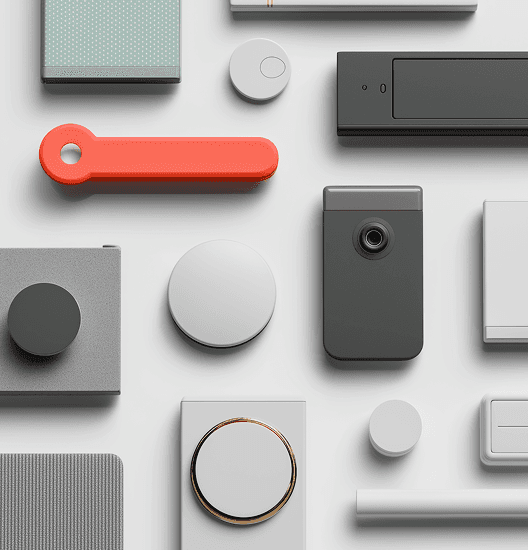
Minimalism isn’t just about fewer elements — it’s about more intention. In this post, I share how simplicity leads to clarity, and why knowing what to remove is just as important as what you add.
What Most People Miss About UX
Most teams focus on tools. Real UX work starts with trust.
So many product teams rush to usability tests or heatmaps — and skip the step where you sit with someone and simply ask, "What feels off?" Good research is never about volume. It’s about depth. It’s less “how many clicks,” more “what held you back?”
Listening is a Design Skill
Research isn't a separate phase. It’s baked into how you think.
Every great experience I’ve helped build came from real users saying things we didn’t expect. Sometimes a casual remark — “I wasn’t sure what to click next” — uncovers more than a month of analytics. That’s why I try to keep real feedback at the center of every decision.
Make It Feel Like You’re on Their Side
People remember how your product made them feel.
No one says “this UX is intuitive.” They just use it and move on. What matters is whether the design met them where they are. Did it feel confusing? Kind? Too clever? Too cold? These aren’t features — they’re the experience.
A Few Simple Rules I Use
Talk to users early — not just after launch
Don’t lead with “what do you think?” — ask “how did this feel?”
Avoid jargon when testing — speak like a person
Let silence do the work in interviews
Trust what they do, not just what they say
“Empathy doesn’t scale easily — but that’s exactly why it matters most.”
Up Next: News